Opening: the problem that won’t wait
We assume motion is safe until it isn’t; that assumption fails fast when hundreds of connected vehicles share credentials, telemetry, and operational control. Operators who run bus fleet management face not just downtime or lost data but real-world risk to passengers and drivers. Transport for London has had to balance operational transparency with tight data governance—an everyday example where technical choices ripple into public trust. This is a problem-driven look: identify what breaks, why it breaks, and which concrete fixes actually hold under pressure.
What typically breaks — clear failure modes
Failures cluster around a few predictable faults. Name them and you know where to act:- Weak or shared credentials on vehicle gateways that let one breach spread to many vehicles.- Unverified firmware and over-the-air updates that open a path for malicious code.- Broad access roles in control portals that grant more privilege than needed.- Telemetry pipelines that expose personal or operationally sensitive data without proper minimization.- Insufficient logging and immutable audit records, so attacks are discovered late or not at all.These are technical failures with human causes: convenience, unclear ownership, and missing guardrails.
Concrete controls that stop most attacks
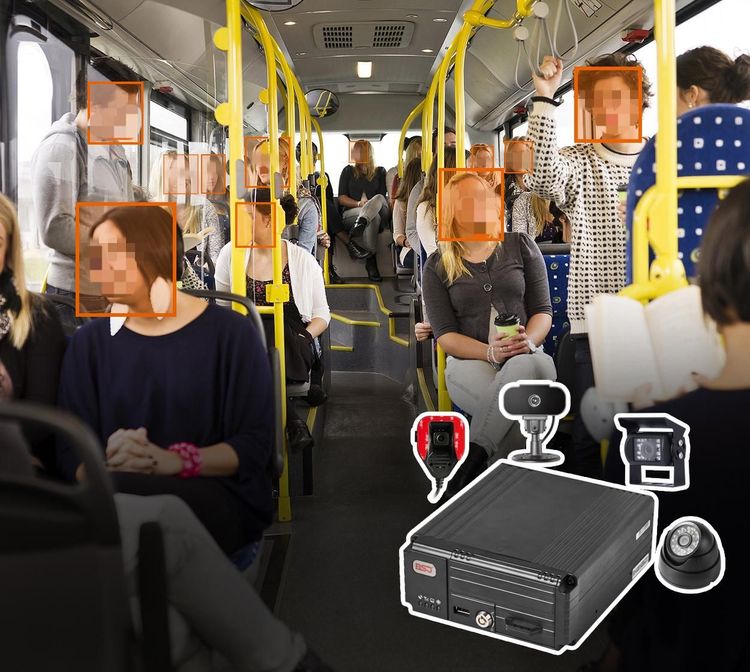
Start with identity and least privilege. Give every element — human or device — a distinct identity and the narrowest permissions required. Use strong device identity (hardware-backed keys) and sign all firmware, then verify signatures before install. Encrypt telemetry in transit and at rest; don’t collect more than needed. Segment networks: separate diagnostics, passenger Wi‑Fi, and vehicle control planes. Require multi-factor authentication for any control action and enforce role-based access controls with regular reviews. Keep immutable logs and apply anomaly detection tuned to vehicle behavior rather than raw thresholds. Implement a secure supply-chain policy: signed components, vetted vendors, and reproducible builds.
How to evaluate bus fleet management software
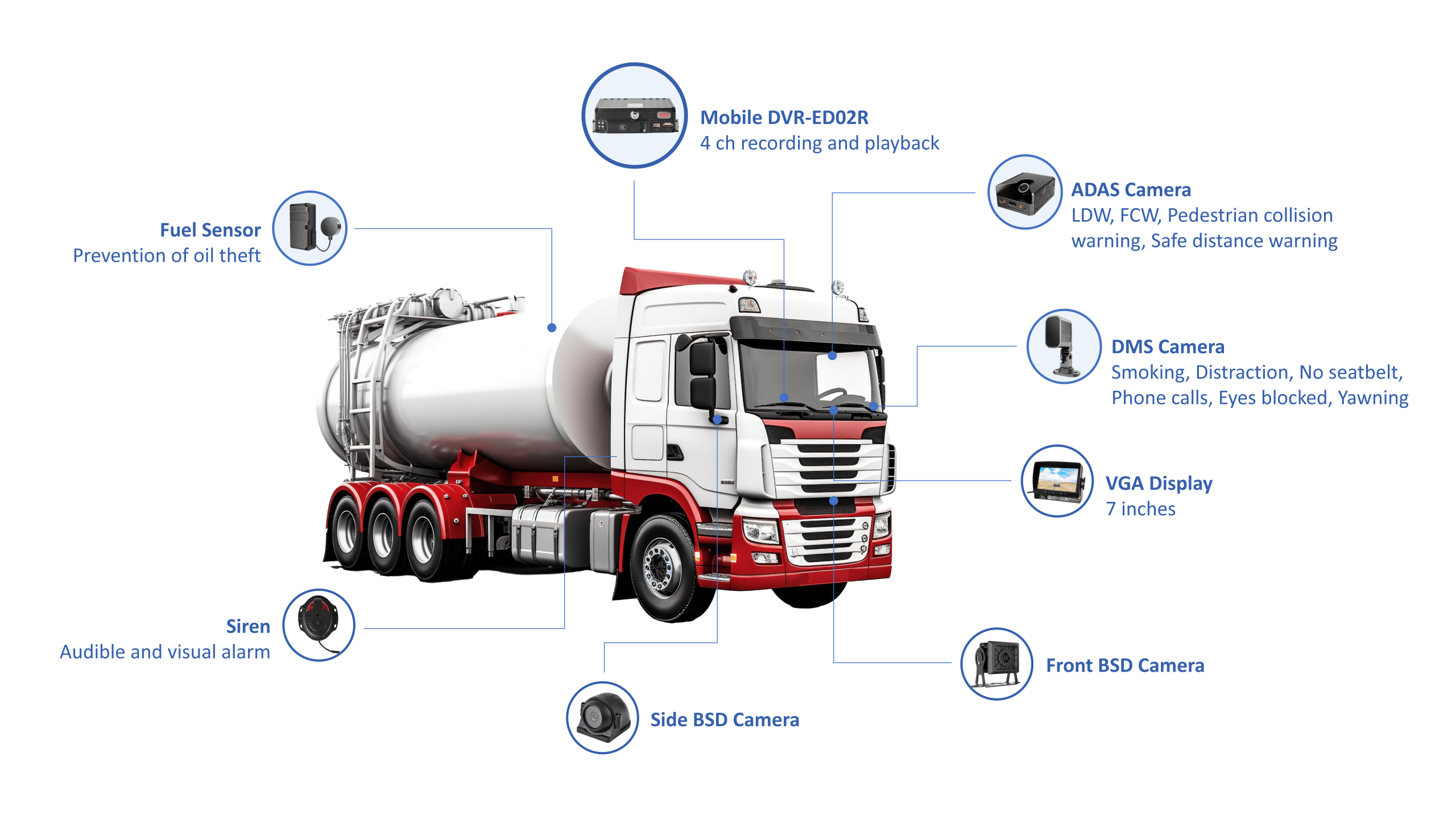
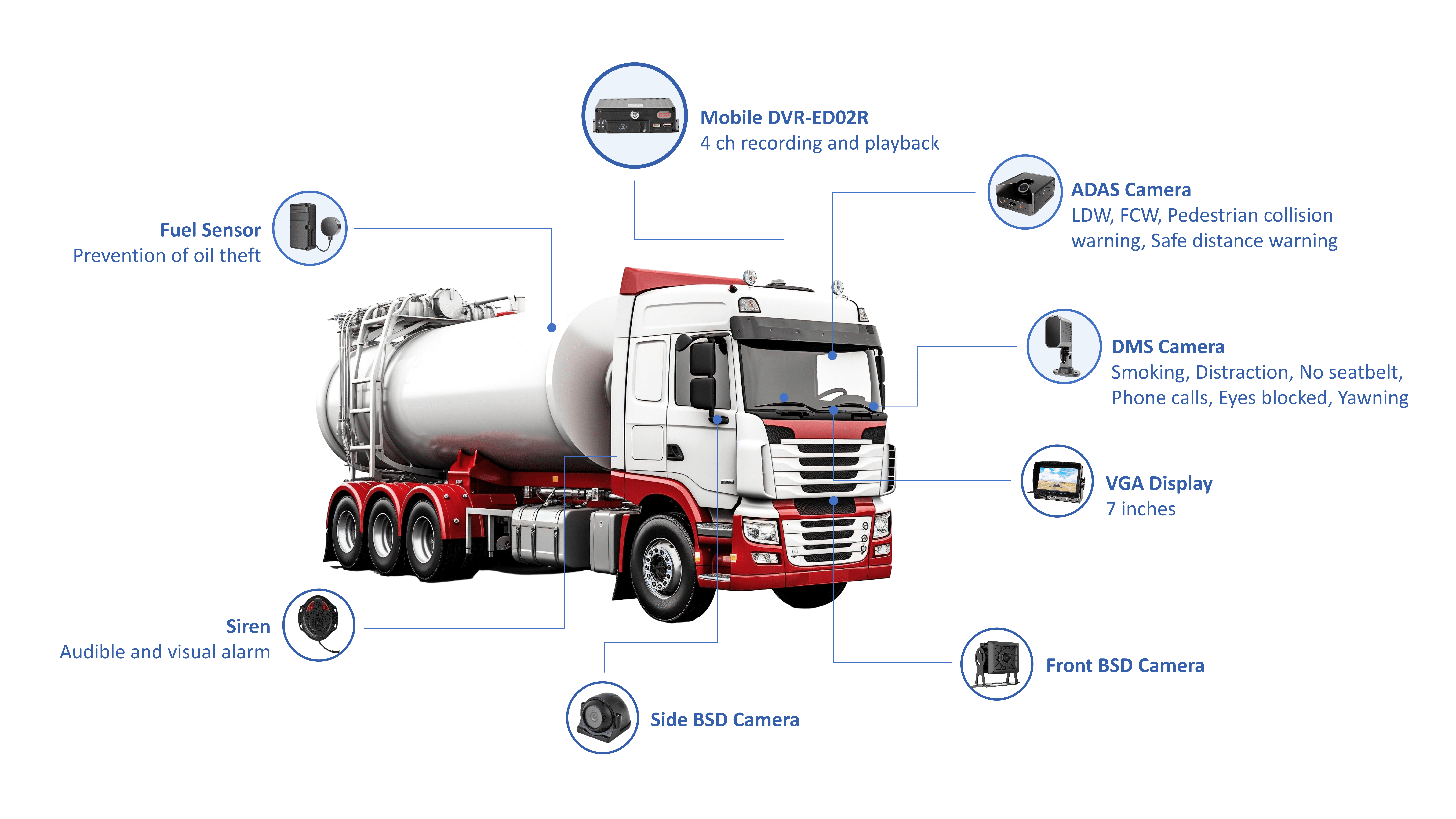
Ask precise questions; vague promises hide risk. Seek software that:- Offers device identity management and automatic certificate rotation.- Exposes fine-grained RBAC and audit exports in a readable format.- Provides secure OTA with cryptographic signing and rollback protection.- Enables data minimization controls and configurable retention for compliance.Proof matters: insist on architecture diagrams, third-party security assessments, and incident histories. When comparing vendors, prioritize clear failure scenarios and demonstrable recovery plans over marketing claims. For choosing a platform that aligns with these controls, review how the vendor integrates with on-vehicle hardware and backend identity systems; a good fit reduces operational friction and error.
Common pitfalls and how they undo good work
Teams do the right things in the wrong order. Typical mistakes:- Deploying telemetry collection widely before defining retention and access policies.- Granting admin rights to simplify debugging and never revoking them.- Relying on perimeter security alone, assuming internal networks are trustworthy.- Skipping firmware signature checks to speed deployments.Corrective action is always process plus technology: fix the policy, then enforce it with the stack.
Operational practices that sustain security
Security isn’t a project; it’s ongoing hygiene. Implement change windows and signed change records so every update has an accountability trail. Run red-team exercises that simulate device compromise and test containment. Train drivers and maintenance teams on simple checks — for example, verifying update prompts and reporting unexpected diagnostic screens. Maintain a vulnerability disclosure channel and patch SLA matched to risk class. Measure what matters: time-to-detect, time-to-contain, and post-incident root-cause closure.
Alternatives and trade-offs
Some choices sacrifice flexibility for safety: air-gapped diagnostic tools reduce remote risk but slow response times. Pushing more control to centralized platforms simplifies management but concentrates attack surface. Edge-first designs keep critical decisions on vehicle controllers, reducing backend exposure, yet they complicate update choreography. Map trade-offs to operator priorities: public safety and privacy demand tighter controls; rapid feature rollout leans toward centralized coordination with stronger validation checks.
Synthesis — where this leads, practically
A problem-driven stance forces simple discipline: stop broad access, verify identity, sign everything, and keep an auditable trail. Those measures reduce attack surface and preserve passenger privacy while allowing predictable operations. Practical deployments pair those controls with platforms that respect device identity and role separation; for many transit operators, choosing an architecture that already enforces these rules is the difference between constant firefighting and controlled operation. That balance — making equipment trustworthy by design and policy — is the quiet value found in solutions like BSJ.
