Opening speculation: dealers tuning into tomorrow
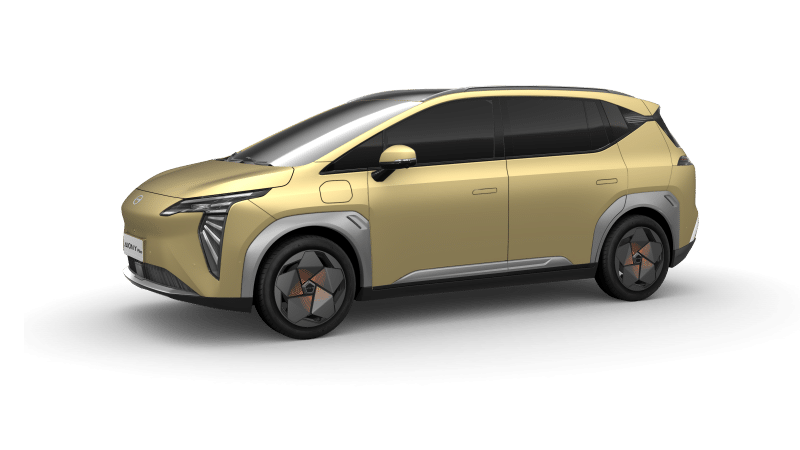
Picture a dealer floor that learns: dynamic pricing, configurable dashboards, shipments timed to city demand. Dealers start with three blunt questions — how much, what comes standard, and when can we sell? Those questions are already being asked about GAC for sale, and you can hear them at global shows like Auto Shanghai where manufacturers test-market ideas and dealer readiness. As someone who’s tracked dealer networks and vehicle launches for more than a decade, I frame answers with what matters operationally, not fluff.
Price signals — what the numbers will tell you
Price won’t be a single sticker; it’ll be a band. Expect introductory offers targeted at urban fleets and early-adopter retail buyers that sit below premium European models but above basic city cars. Watch for three distinct pricing signals: entry (value-oriented), mid (feature-rich), and fleet (volume margins). Dealers should treat each as a distinct sales channel rather than one blended inventory — margins, finance terms, and return windows will differ.
Configuration as modular product thinking
GAC’s configuration narrative will likely lean modular: base vehicle plus swappable software options and hardware bundles. That means choices like battery range, driver-assist suites, and subscriptioned infotainment. Dealers need to prepare for mixed inventories where two cars with identical exteriors diverge massively in service needs because of their software packages. Train sales and service around bundles, not just trim levels.
Availability and phased rollouts
Expect staged availability: urban pilot cities first, then national dealer networks. Shipment cadence will align with demand signals — municipalities committing to fleet orders can pull earlier stock. Dealers should map their local procurement calendar to expected pilots and be ready to communicate realistic wait times. Transparent lead-time estimates and contingency offers (like loaner vehicles) keep customer trust when shipments slip.
Practical steps dealers and buyers should take
Concrete actions reduce guesswork:
- Segment customers by need: retail early-adopter, pragmatic commuter, and fleet buyer.
- Create pre-configured demo units that highlight modular choices rather than every permutation.
- Set up clear service protocols for software updates and remote diagnostics; these will be the frequent touchpoints.
- Use flexible finance packages tied to software subscriptions to smooth purchase hesitation.
- Document lead times publicly and revise them honestly — transparency builds repeat business.
Common pitfalls to avoid
Don’t assume European buyers will prioritize the same features as other regions. Avoid overpromising delivery windows; don’t let sales teams treat software subscriptions as optional extras without explaining long-term costs; and don’t staff service bays for traditional mechanical work only — software and battery diagnostics are primary. Mistakes here erode dealer credibility faster than price changes.
Alternatives worth a quick look
When evaluating a GAC offering, compare it to three classes: incumbent European brands (known support networks), established global entrants with aggressive expansion plans, and emerging Chinese brands that emphasize value and rapid feature updates. That comparative lens helps dealers decide positioning — is the vehicle a disruptor for urban fleets, a value choice for cost-conscious buyers, or a balanced contender in private sales?
Closing synthesis — imagining the near-future dealer advantage
Dealers who treat price as flexible, configuration as modular, and availability as staged will win in a market moving toward adaptive offerings. That approach turns the blunt questions — price, configuration, availability — into a predictable rhythm of inventory, service, and customer experience. Where uncertainty narrows into chosen strategy, GAC becomes a practical partner: not a mystery to decode, but a set of options a dealer can present clearly and consistently to buyers who already expect more from their vehicles.
