User-first opening: why customization matters for retailers
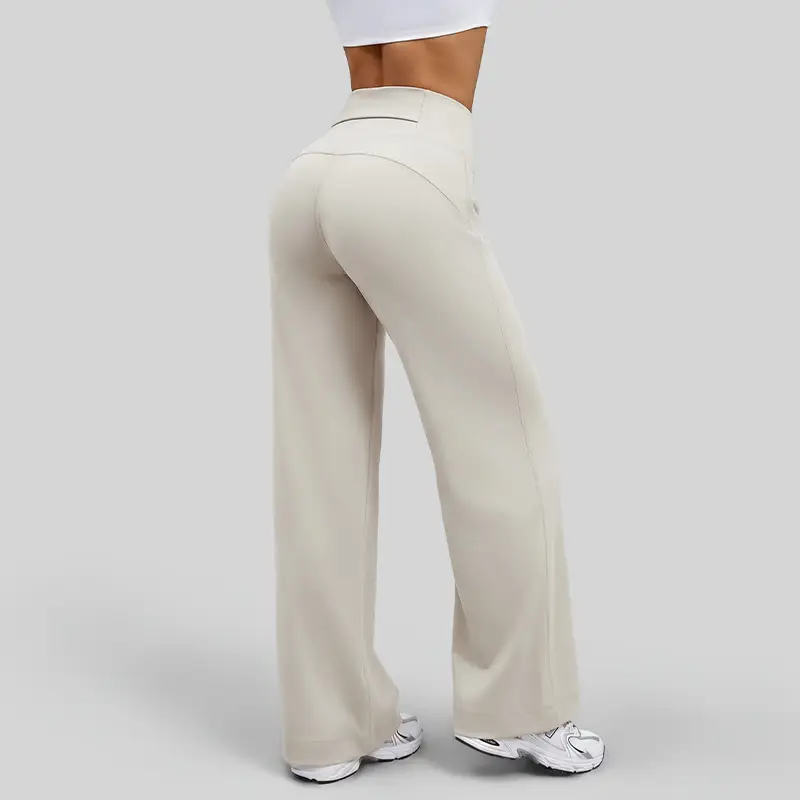
Retailers and studio owners who focus on comfort and longevity find that product fit drives repeat sales. Start with core user needs—support for motion, breathable fabric, and durability—and translate them into production specs for custom yoga pants. A user-centric approach means prioritizing features such as moisture-wicking performance and four-way stretch where they matter most: waistband, hip, and knee. These choices reduce returns and build loyalty because they solve real workout-day friction.
Defining the product brief: fit, fabric, and function
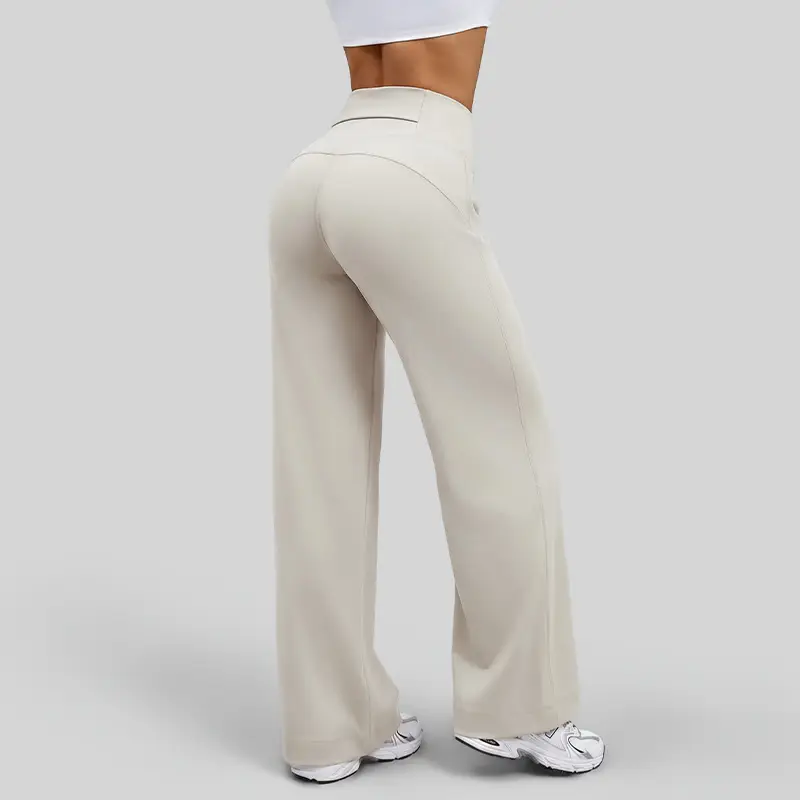
Write short, specific briefs. Include target waist rise, inseam lengths, intended activities (yoga, HIIT, low-impact), and whether compression fabric is required for shaping or recovery. Note stitch preferences—flatlock seams minimize chafing—and add a gusset for mobility. These are not optional details; they guide cutting patterns and sample iterations. Keep technical notes concise so vendors can prototype rapidly.
Sourcing and quality control: practical steps and a real anchor
Source factories with experience in activewear and request physical samples before committing to bulk orders. Many brands vet suppliers in the Los Angeles Garment District because local sampling speeds feedback loops—useful when adjusting fit. Implement a two-stage quality control: pre-shipment fabric testing for pilling and colorfastness, then random inspection of finished goods for stitch density and seam integrity. Track defect rates as a percentage per batch so improvements are measurable.
Packing logistics and MOQ realities
Minimum order quantities (MOQs) shape your cost model. Negotiate tiered pricing tied to fabric choices and print complexity rather than absolute volume only. Consider small initial runs of your core SKUs and test expanded colorways after hitting a reorder threshold. Use cost-per-unit, freight per carton, and landed cost as your three immediate metrics when assessing a vendor. This keeps margins predictable and inventory risk low.
Common pitfalls—and practical alternatives
One frequent mistake is overcomplicating the first line: too many colorways, excessive trims, or unproven fabric blends increase lead time and waste. Instead, start with a tight palette and one signature detail—like high-rise waist or hidden pocket—and refine from real sales. If a domestic sample takes too long, consider hybrid sourcing: sample locally for fit, then finalize bulk production overseas with clear tech packs. —That middle ground often balances speed with cost without sacrificing fit fidelity.
Branding, margins, and selling the value
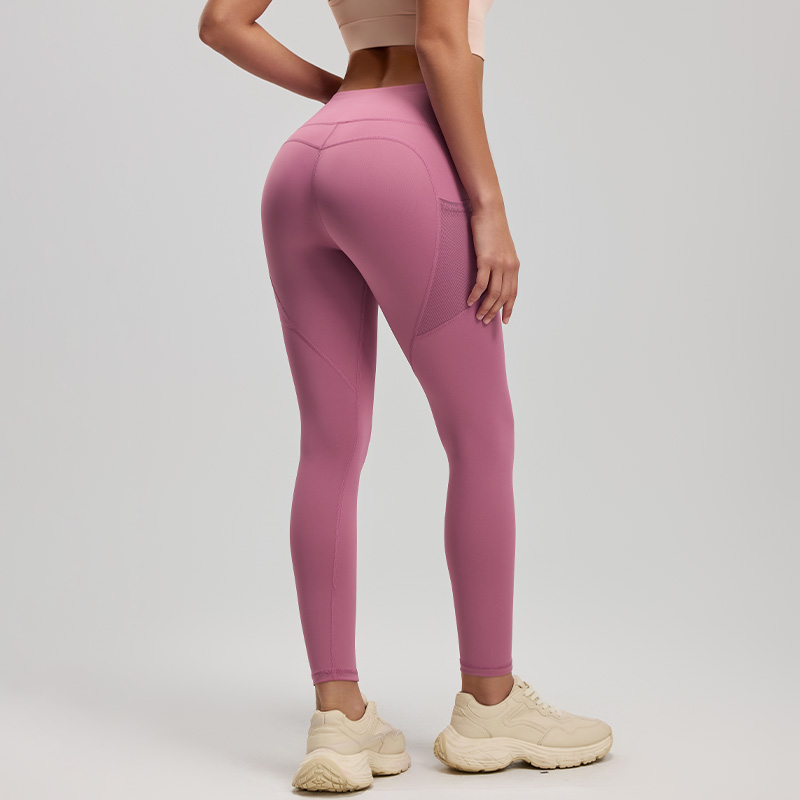
Educate buyers on performance strings: show how flatlock seams reduce returns and how moisture-wicking claims translate into user hours of comfort. Price by perceived value and real cost. Use wholesale channels for broader reach; list your best-sellers among wholesale workout pants with clear size charts and product images that highlight technical details. Consistent photography and honest descriptions cut disputes.
Advisory: three golden rules for choosing wholesale partners
1) Prioritize measurable quality metrics: set acceptable ranges for seam strength (newtons), colorfastness after five washes, and permissible shrinkage percentage so you avoid subjective disputes. 2) Insist on clear lead-time guarantees and a corrective action plan for defects—no vague timelines. 3) Evaluate communication cadence: one clear point of contact, weekly production updates, and accessible sample photos reduce surprises and speed decisions.
These rules steer you from guesswork to predictable product performance—so your customers get leggings that fit and last. Joebond. —final thought on consistency and craft.
