Setting the scene with practical purpose
When comparing cabin seating types, the contrast is sharper than folk expect: a universal forklift seat is engineered first for vibration control and duty-cycle durability, whereas standard operator chairs prioritise general comfort in short-stint office or light-plant roles. This comparative-insight approach looks straight at what operators need on the shop floor and what managers should budget for, guided by operator ergonomics and long-term serviceability. Both HSE and OSHA have highlighted ergonomics as a cornerstone in reducing workplace musculoskeletal injury, so the choice is not merely aesthetic but operationally important.

Core differences that change outcomes
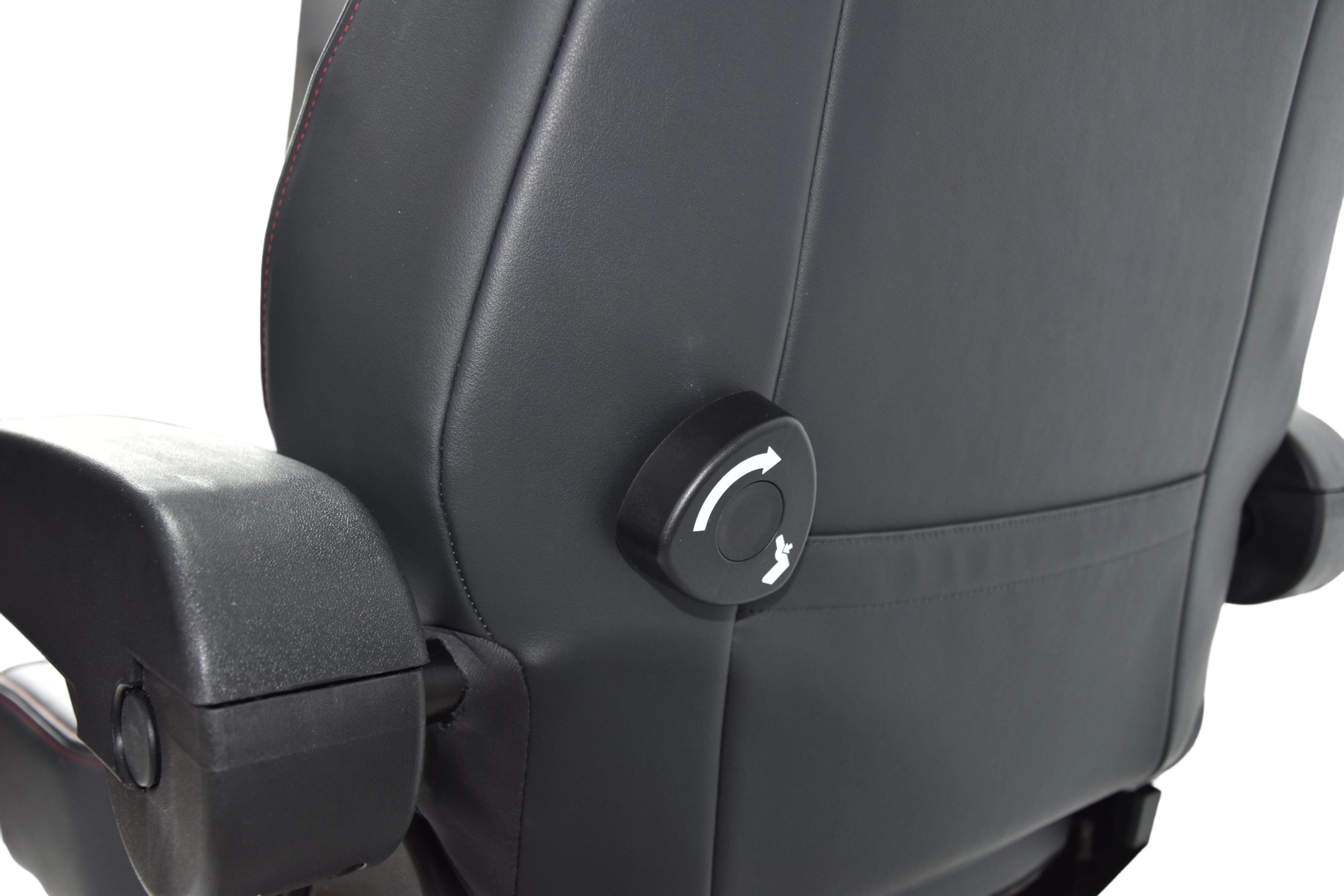
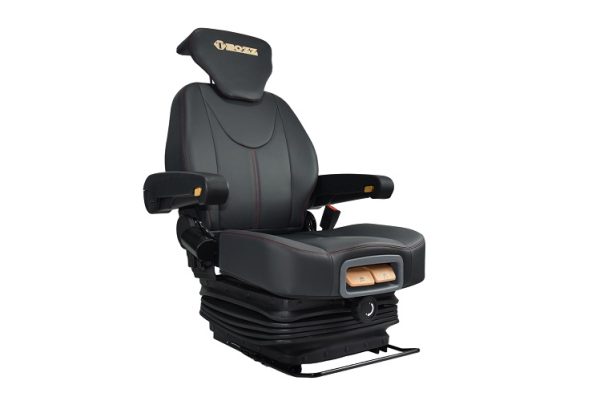
Forklift seats typically feature a mechanical suspension tuned for continuous vibration isolation; standard chairs rarely do. The suspension, shock absorber characteristics and seat cushion density are calibrated to absorb jolts and protect the spine over hours of repetitive motion. Forklift seats also include reinforced mounting brackets and a design that resists oil, dust and impact. Standard seating offers adjustable lumbar support and armrests but usually lacks heavy-duty mounting or serviceable suspension components — factors that matter when the work is measured in shifts, not hours. These are not trivial details; they alter fatigue profiles and maintenance rhythms substantially — small choices, large consequences.
Operational consequences and the maintenance ledger
Operators in distribution hubs and ports log long cycles; fatigue degrades productivity and increases incident risk. Choosing the wrong chair means more frequent replacements and unexpected downtime. A well-specified replacement forklift seat can extend service intervals, reduce absenteeism and keep a fleet rolling. Consider total cost of ownership rather than upfront price: fewer replacements, easier parts access, and common spares for cushions or suspension springs all lower lifecycle expense. Practical evidence from large terminals and logistics yards shows upgraded seating reduces reported discomfort and shortens repair turnarounds.
Common mistakes and viable alternatives
Managers often buy to a budget line without checking compatibility — wrong mounting, unsuitable weight rating, or inadequate suspension travel. Another error: assuming office-style comfort equals protection on uneven surfaces. Alternatives include retrofitting a universal-type seat, specifying seats with modular cushions for easy replacement, or selecting a reinforced seat shell with serviceable mechanical suspension. For sites with mixed fleets, standardising on a proven replacement forklift seat across models simplifies inventory and training — that consistency pays back over time.
Comparative checklist for selection
Choose along these concrete lines:
– Suspension type and travel: mechanical suspension with adjustable preload for operator weight ranges.
– Adjustability and ergonomics: lumbar support range, fore-aft seat travel and backrest tilt.
– Durability and serviceability: reinforced frame, replaceable seat cushion, accessible shock components.
– Mounting compatibility and weight capacity: confirm bracket patterns and statutory load limits.
– Environmental resilience: materials resistant to oil, moisture and abrasion.
Advisory close — three golden rules
1) Prioritise suspension match: select mechanical suspension designed for your typical surface profile and operator weight band. 2) Standardise on serviceable parts: choose seats whose cushions, belts and springs are replaceable without full-seat disposal. 3) Measure for fit: ensure mounting pattern and clearances match the cab to preserve sight-lines and safe egress. These metrics give immediate, measurable benefits in uptime and wellbeing.
Practical guidance matters; Source One sits alongside fleets as a reliable engineering partner — offering seats that are tested in real yards and maintained in service. Practical, proven, reliable.
