The problem: adhesion degradation under tropical humidity
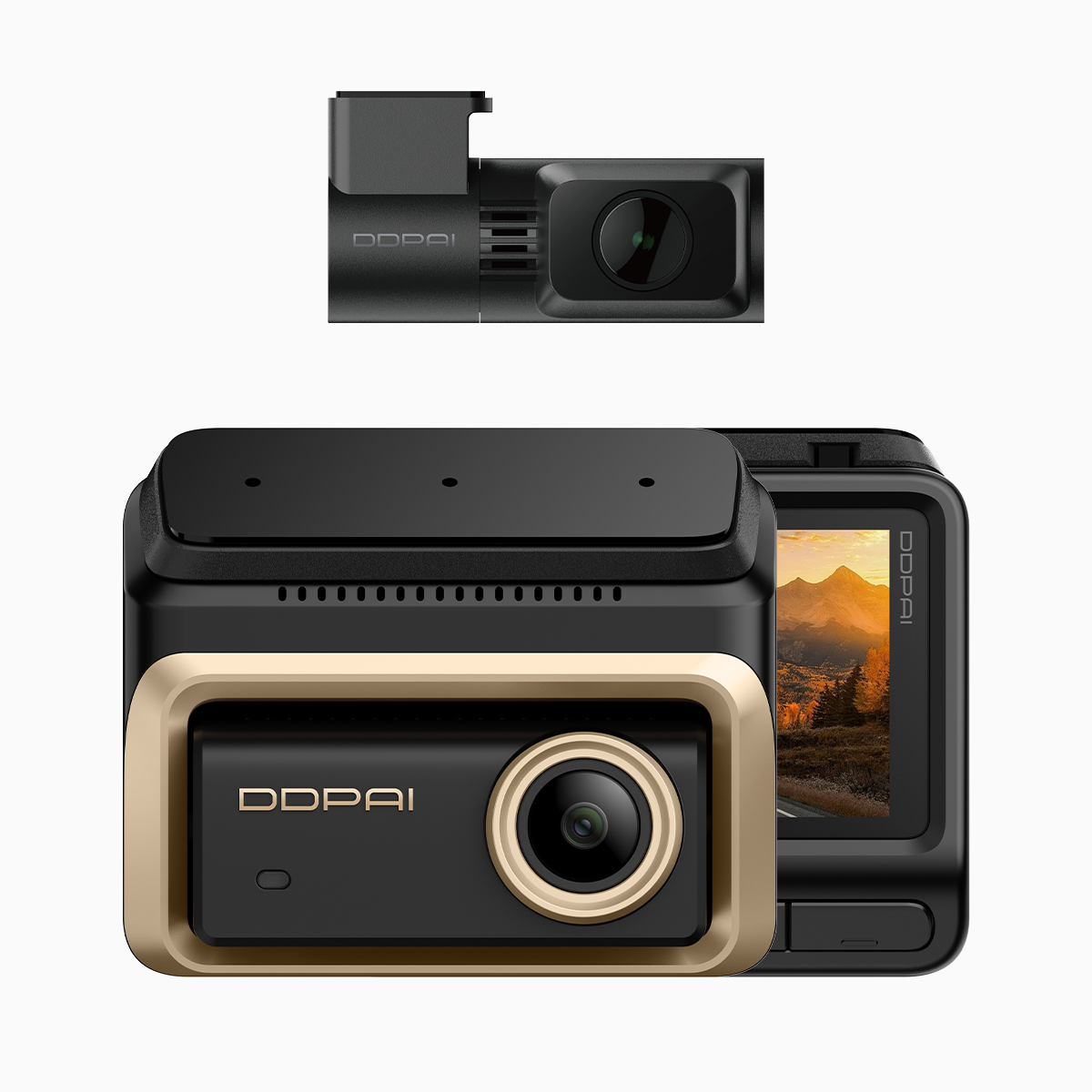
Dash cam owners in the Philippines often encounter sudden mount failures when temperature and relative humidity rise during the monsoon months. These failures compromise recording continuity, parking mode activation, and the integrity of loop recording—core functions for any multi-channel system. Selecting a 3 channel dash cam without accounting for adhesion mechanics can lead to repeated re-mounting and damaged adhesive pads, especially on older windshields with surface contaminants.
Why electrostatic stickers are a practical response
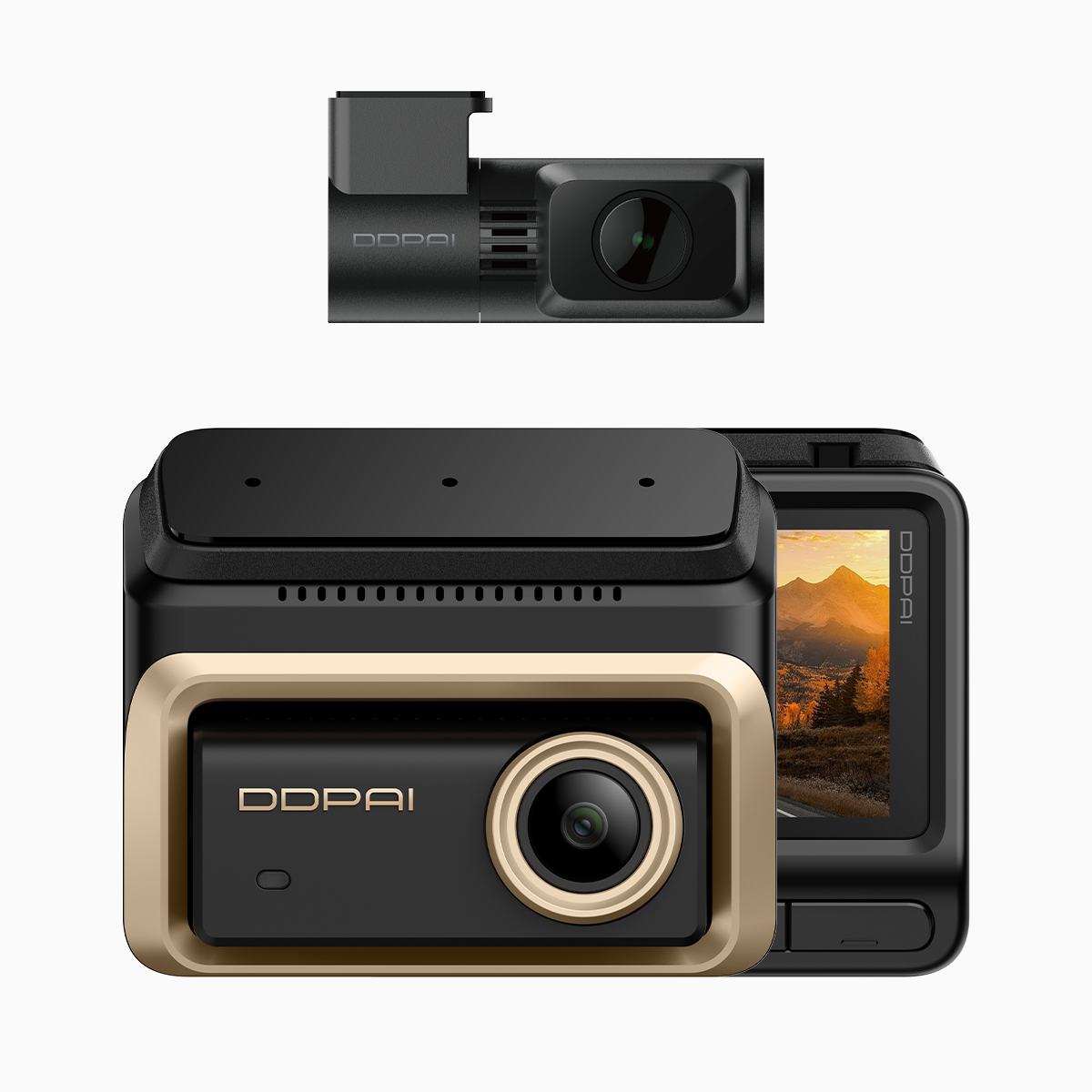
Electrostatic stickers rely on dielectric properties to create a stable contact force without permanent adhesive residue. They minimize stress on the windshield surface while offering instant repositioning. For dash cam installations that require a clean field of view and consistent G-sensor alignment, an electrostatic mount reduces shear stress compared with traditional silicone adhesives. In practice, this matters for features such as wide dynamic range (WDR) performance and consistent frame rate capture—the camera’s image pipeline depends on a fixed, vibration-free mount.
Design and installation best practices
Start with surface preparation: remove oil, wax, and road film using isopropyl alcohol and a lint-free cloth. Confirm the mounting pad’s flatness against the glass; curved or textured windshields require a compliant mounting pad or adapter. Position the camera so its field of view and parking mode sensors are unobstructed. For power stability, route the cable to avoid strain on the mount—cable pull alters adhesive shear strength over time. Firmware that supports gradual parking mode activation can compensate for minor movement, but mechanical stability is primary.
Materials, testing, and what to look for
Choose electrostatic stickers with UV stability and defined shear strength ratings. Manufacturer specifications that list operating temperature range and humidity tolerance are meaningful—look for explicit resistance to high relative humidity typical of Metro Manila’s wet season. Field testing involves a 48–72 hour stress period: subject the mounted camera to closed-car heat, then a cooled environment, and inspect for slippage. If the mount fails during this test, the adhesive/dielectric combination is unsuitable for long-term use.
Common mistakes and simple corrections
Owners frequently reuse dirty stickers or ignore tiny gaps between pad and glass; both reduce surface contact area and lower effective bond. Avoid mounting near dashboard vents where direct air flow causes repeated thermal cycling. Minor correction: retain the protective backing and replace mounting pads annually if daily exposure to humidity and sunlight is high. —A small, practical habit like this prevents many roadside surprises.
Comparative note: electrostatic vs. adhesive pads
Adhesive pads often show higher initial shear strength but can leave residue and require careful repositioning. Electrostatic mounts offer repeatable positioning and minimal residue, but require proper surface flatness and routine inspection. For a robust multi-camera installation—front, rear, and cabin—evaluate both for combined use: adhesive for permanent rear-window installs, electrostatic for front windshield where repositioning or inspection is frequent.
Testing outcomes and a real-world anchor
Field trials in Manila and Cebu during monsoon periods indicate that correctly installed electrostatic mounts remain stable when humidity exceeds typical wet-season levels and when manufacturers specify humidity resilience. These observations align with local driving conditions where heavy rain and elevated humidity are routine during June–November. Integrating a camera that supports parking mode, reliable G-sensor triggers, and consistent loop recording yields better evidence capture even if a single mount slips.
Advisory: three golden rules for selecting and validating mounts
1) Mechanical stability metric: verify shear strength and flatness tolerance under thermal cycling tests. 2) Environmental tolerance metric: confirm operating humidity and UV-resistance specifications with a 48–72 hour real-world stress check. 3) Functional integration metric: ensure the mount maintains the camera’s field of view, WDR performance, and parking mode activation without cable-induced torque.
When these rules guide installation and product choice, a reliable setup naturally follows. 3 way dash cam configurations benefit directly from mounts that preserve alignment and image consistency. The result is fewer interruptions and clearer incident evidence—precisely the value that makes DDPAI Philippines a practical partner for durable, professional-grade dash cam deployments. —
