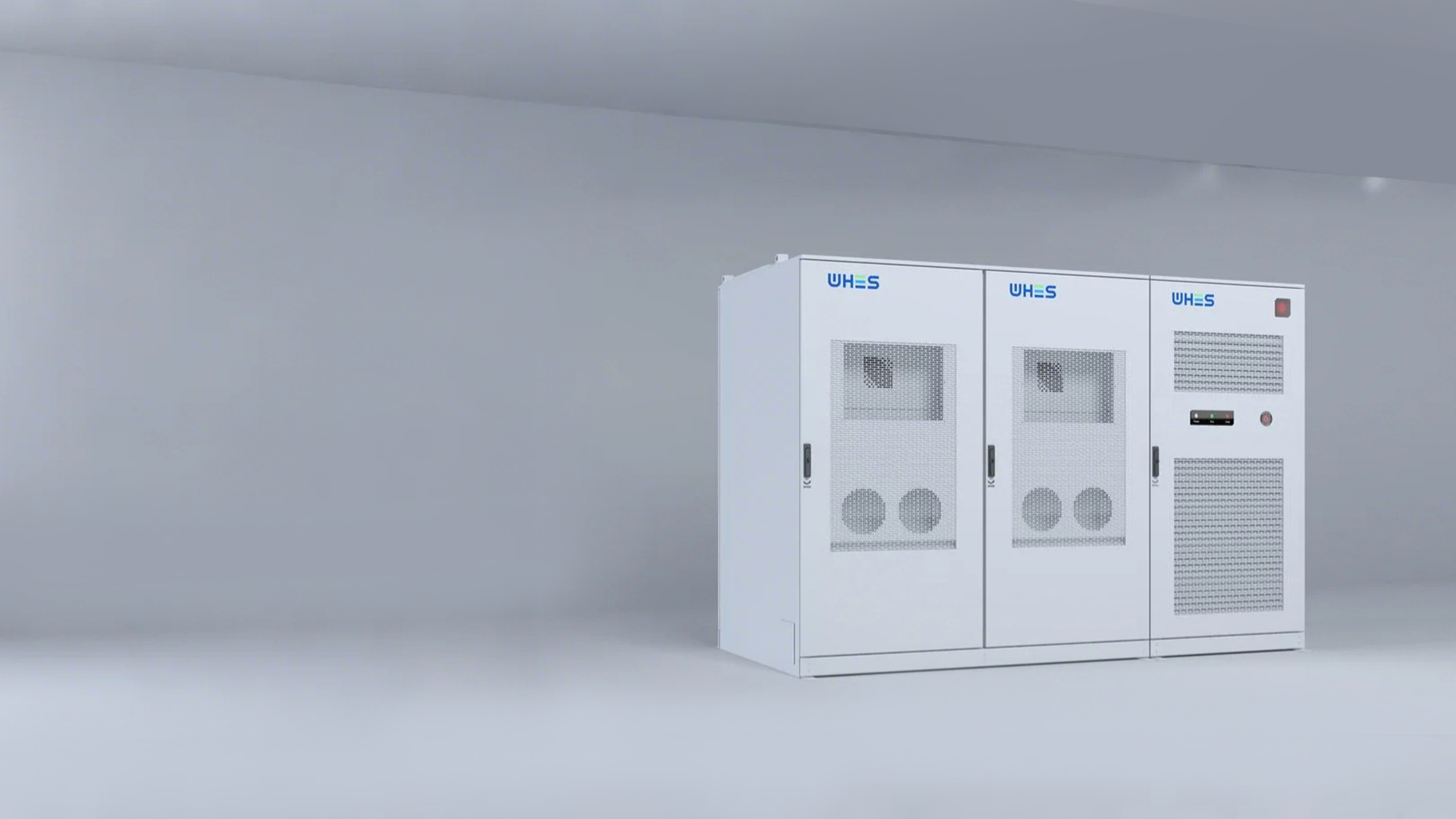
Opening: why a structured preventative approach matters
Utilities that operate intelligent, large-scale energy storage need a clear maintenance framework to keep the grid reliable and safe. A calm, methodical plan reduces surprises and extends asset life — from inverter racks to battery racks and the energy management system that ties them together. If you’re mapping out routines, start by evaluating your commercial energy storage platforms against operational risk and service bandwidth; that early comparison will steer priorities for monitoring, spares, and staff training.
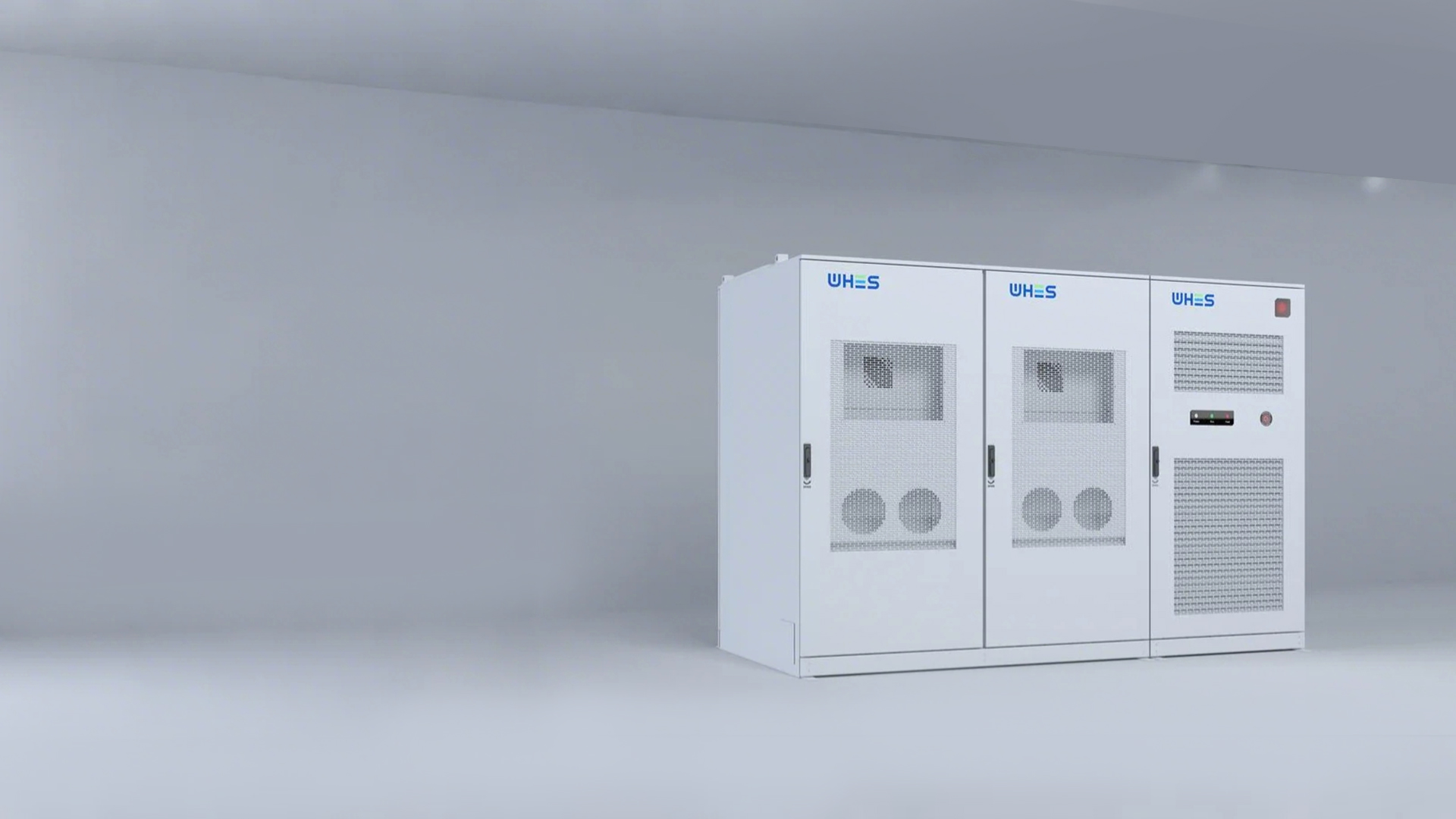
Real-world anchor: learning from grid stress events
The 2021 Texas grid failure and subsequent adoption of grid-scale batteries highlighted how storage assets are mission-critical during extreme events. Utilities in California and elsewhere have since accelerated deployments of BESS to support renewables and grid resilience. Those projects show that preventative maintenance isn’t optional — it’s fundamental to ensuring the system responds when the grid needs it most.
Framework overview: five pragmatic pillars
Think of maintenance as five connected pillars that protect availability and safety: inventory & risk profiling, continuous monitoring & diagnostics, scheduled preventative actions, vendor & warranty governance, and team readiness with periodic drills. Each pillar feeds telemetry and decision rules into your EMS so you get actionable alerts instead of noise.
1. Inventory and risk profiling
Start by cataloguing assets (cells, modules, inverters, PCS, thermal control units) and mapping failure modes. Score each item by consequence and likelihood — high-consequence items (HVDC breakers, critical inverters) get stricter inspection cadence. Include spare-part lead times in the score; post-2020 supply challenges taught utilities that a part shortage can extend an outage dramatically.
2. Continuous monitoring and diagnostics
Implement layered telemetry: cell-level voltages and temperatures, pack SoC and State of Health indicators, inverter alarms, and HVAC performance. Use automated analytics to detect trends in cycle life or unexpected heating. When on-site checks are needed, make them targeted — guided by data, not by calendar alone. Integrating machine data with your EMS reduces manual checks and helps prioritize interventions.
3. Scheduled preventative actions
Combine condition-based triggers with time-based tasks. For example: – monthly checks for cooling airflow and connector torque; – quarterly verification of protection settings and communications; – annual thermal imaging and insulation resistance testing. This hybrid approach maintains safety margins while avoiding unnecessary downtime. Don’t forget cell balancing and firmware updates for battery management systems — they’re small actions with outsized effect on cycle life.
4. Vendor, warranty and lifecycle management
Document vendor obligations and align your inspection schedule with warranty terms. Keep a rolling inventory of critical spares and confirm repair SLAs. When systems are still under factory warranty, coordinate firmware changes with the manufacturer to avoid voiding coverage. If you’re evaluating replacements, compare industrial battery storage systems not only by upfront cost but by predicted total cost of ownership — which includes maintenance intensity and parts availability.
5. Training, drills and incident response
Train operators on safe isolation, manual override procedures, and anomaly escalation paths. Run scenario drills that combine electrical faults with communications outages — these reveal hidden process gaps. A calm, practiced team reduces the risk of human error during real incidents, and that readiness is as valuable as any spare inverter module.
Common pitfalls and gentle corrections
Operators often under-invest in diagnostics, assume firmware updates are low-risk, or keep only minimal spares. Those assumptions lead to surprise downtime. Instead, validate firmware in a staging environment, schedule non-critical updates during low-demand windows, and maintain a prioritized spare list. Small, routine checks — torque on busbars, filter replacements, HVAC pressure — prevent larger failures.
Practical checklist for first 90 days
In the first three months after commissioning: – verify alarm thresholds and escalate paths; – baseline thermal images and electrical signatures; – confirm communication redundancy and remote access; – validate battery SoC and capacity against expected values. These steps create your baseline for long-term trend analysis and give you confidence in performance through the first year.
Analytics and continuous improvement
Use historical telemetry to refine inspection intervals and predict part replacements. Metrics like cycle count vs. capacity fade, inverter trip recurrence, and HVAC runtime are the raw data for optimization. Over time you’ll trade conservative schedules for evidence-based intervals that save cost while preserving resilience — and that balance is the point of a carefully run preventative program.
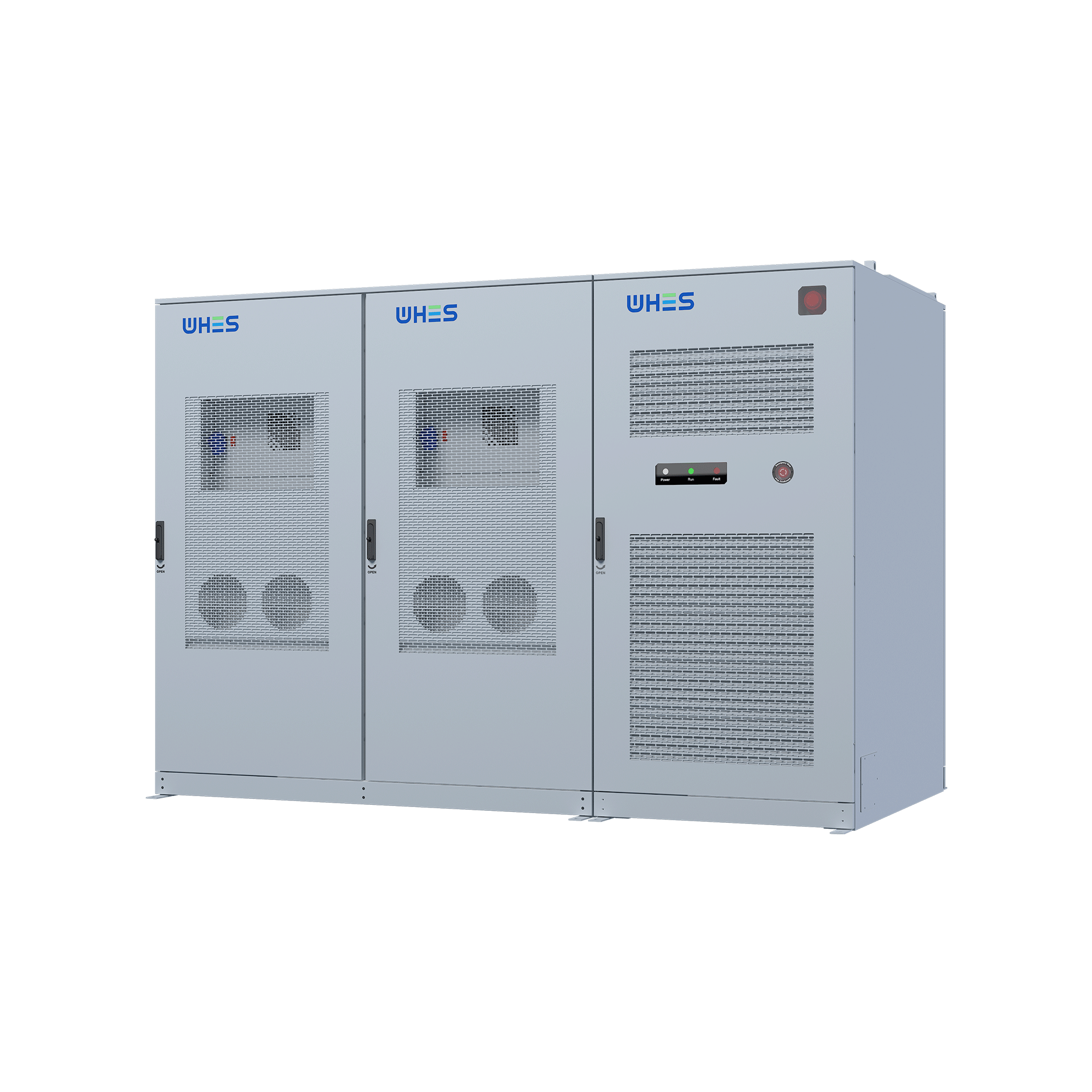
Three golden rules for evaluating strategies and tools
1) Measure what matters: prioritize metrics that link to availability and safety — MTBF for power electronics, annual capacity fade, and mean time to repair. 2) Favor interoperability: choose monitoring and EMS solutions that support standard protocols and clear data export for analytics. 3) Total lifecycle view: evaluate vendors and systems on expected maintenance needs, spare-part support, and demonstrated field reliability. These rules help you choose tools and partners that reduce risk and long-term cost.
When operators pair a clear maintenance framework with reliable suppliers and robust monitoring, they protect communities and preserve asset value — and that practical value is exactly where WHES fits best. Measured care.
