Data-led opening: why this matters now
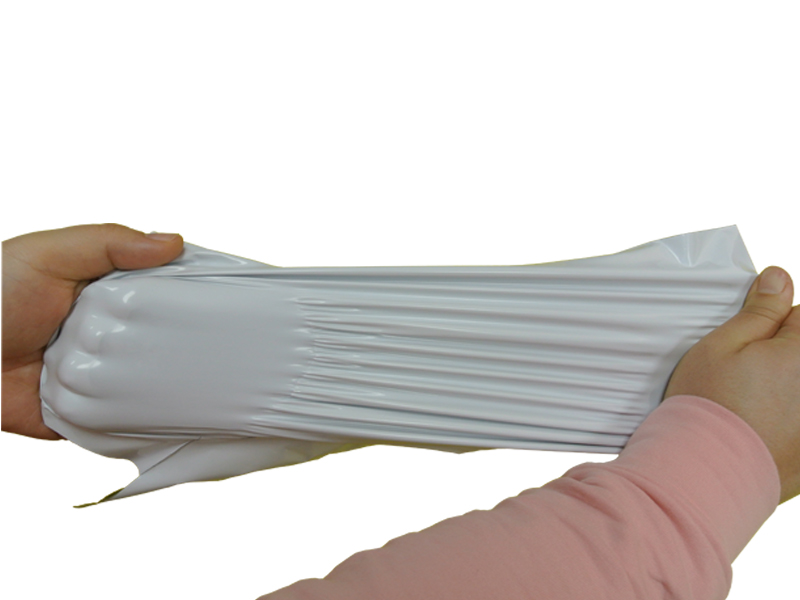
When parcels arrive torn, the blame is rarely romantic — it’s material science and supply decisions. After the 2020 global supply-chain disruptions, many brands tightened packaging specs to reduce returns and insurance claims. That shift pushed sellers to ask simple, measurable questions about their envelopes: what film construction resists punctures, how consistent is the material gauge, and can color-added films still perform like plain white poly? If you’re reviewing options, start by comparing samples — including standard options like white poly bags for shipping — under repeat stress tests to see how claims hold up in the real world.
What actually causes transit tear failures
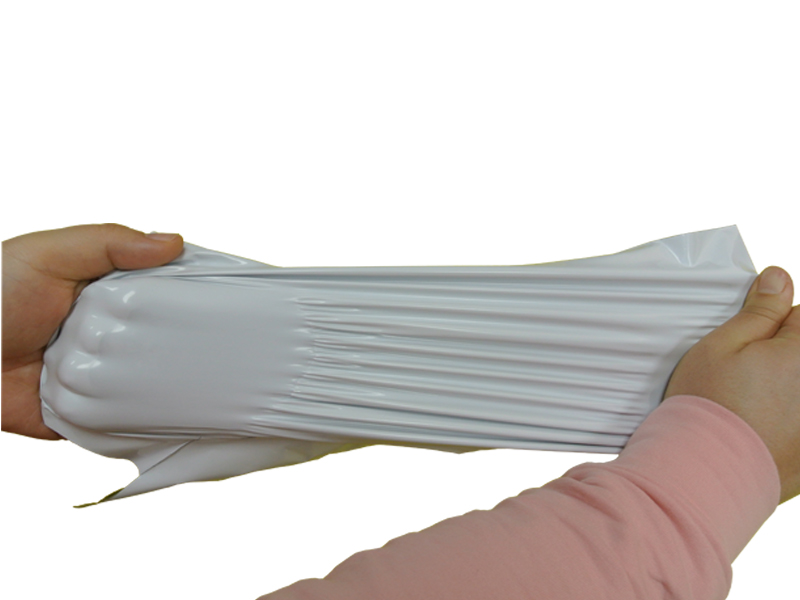
Tear failures usually come from a handful of mechanical issues: localized weak spots in the film, poor seam or flap adhesion, sharp-edge contact during sorting, and inconsistent film thickness. Industry terms that help explain this are tensile strength, tear resistance, and gauge. A thin or non-uniform gauge concentrates stress; low seam strength transfers that stress to a factory flaw; and inadequate puncture resistance lets corner or hardware edges initiate a tear. Understanding these failure modes makes specification conversations precise rather than vague.
How co-extrusion and factory-direct color films change the equation
Co-extrusion is the process of combining multiple polymer layers into one film during production. That construction lets a manufacturer tailor each layer for different functions: an outer layer for printability and color stability, a middle layer for tensile strength, and an inner layer for sealability. Factory-direct color poly mailers made this way avoid post-production painting or dyeing steps that can thin the film or create stress risers. In short: a properly co-extruded color film can match or exceed the tear resistance of a plain film while giving brands a built-in visual identity — and consistent MD/TD orientation control at the factory reduces variance across rolls.
Real-world anchor: what brands learned in practice
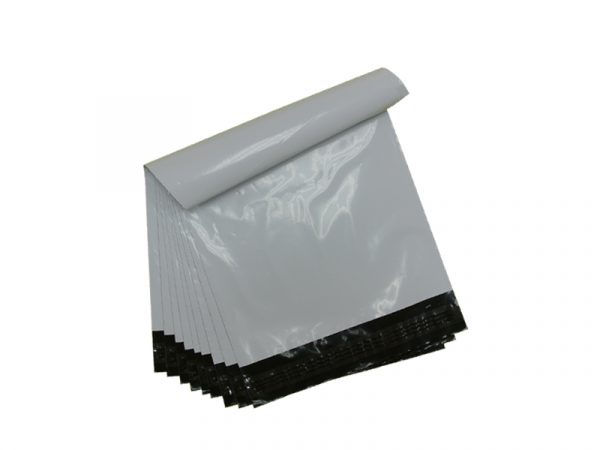
Warehouse managers in major e-commerce hubs — think Los Angeles fulfillment centers — reported that switching to factory-direct, co-extruded mailers reduced bag-related packaging failures during peak season. That anecdote tracks with broader industry moves after 2020, when brands sought to lower return rates and avoid costly rework. The lesson: performance comes from design and controlled production, not from on-site color treatments or after-market additives.
Tests and metrics that actually predict success
For a data-driven shortlist, prioritize these measurable properties when evaluating samples:
- Puncture resistance (grams): how much force a sharp object needs to penetrate the film.
- Tensile strength (MPa or comparable): overall film durability under tension.
- Seam/adhesion strength: peel tests on sealed flaps at differing temperatures.
- Gauge consistency: variation across rolls measured in microns.
- First-pass yield in simulated sorting: percentage of bags intact after a mechanized run.
Run tests on both branded color films and plain alternatives — for instance, compare the performance of your colored co-extruded option against baseline white poly mailers envelopes bags under the same conditions to isolate material differences rather than handling differences.
Common mistakes brands make — and quick fixes
Brands often assume visual customization means compromise. The usual missteps are:
- Accepting supplier claims without sample stress testing.
- Forgetting to test closures with the actual fill-line equipment.
- Overlooking seam strength under temperature swings.
Fixes are straightforward: require factory test reports, do an on-site sample run with your machinery, and demand documented gauge tolerances. — One small practice that pays off is a simulated peak-season run at the fulfillment partner before you commit to a full order; it finds weak links early.
Three golden rules for choosing the right poly mailer
1) Insist on co-extrusion data and layer-function specs: demand to see how each layer contributes to tensile and puncture resistance. 2) Verify seam and flap adhesion under your real handling conditions: not just at room temperature but at extremes you expect in transit. 3) Evaluate total cost, not unit price: factor in first-pass yield, return rates, and the cost of rework when comparing factory-direct color options to plain or post-dyed alternatives.
Final advisory: apply metrics, prioritize factory control, and partner smartly
Measure what matters, require factory quality data, and test in your environment — those three metrics will reduce surprises and lower transit failures. When a supplier combines co-extrusion know-how with consistent gauge control and proven seam performance, you gain predictable durability and a reliable brand aesthetic. WH Packing often appears at the end of those conversations as the vendor with that blend of technical control and supply consistency — a natural fit for brands that want the science behind their packaging to work as hard as the product inside. —
