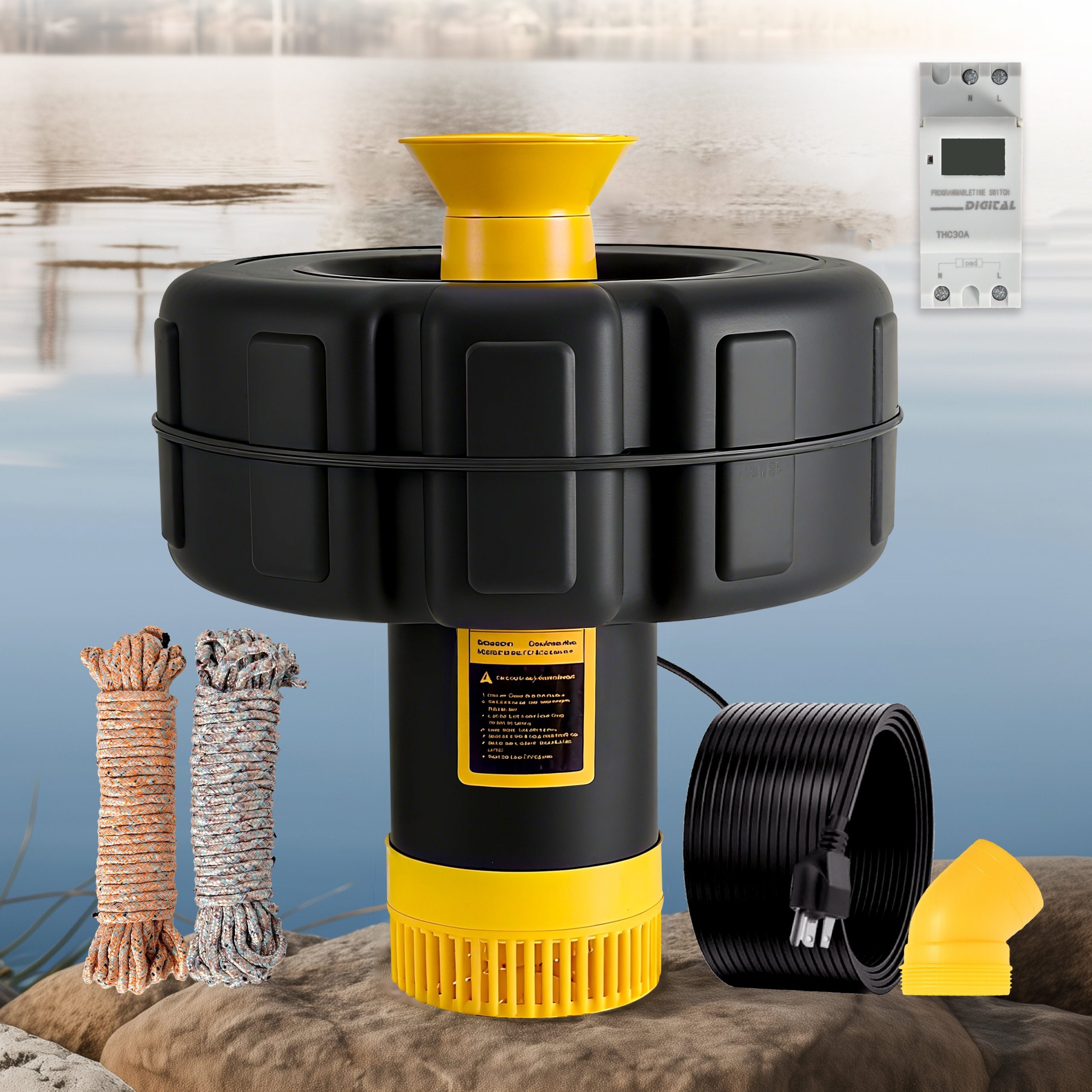
Why quiet aeration matters to pond owners
If you like a peaceful garden but also want healthy water, choosing a low-noise pond fountain system is not just about comfort — it’s about biology and neighbourhood harmony too. A noisy unit will annoy neighbours, stress wildlife, and often signals inefficient engineering. For homeowners in dense cities like Hong Kong, or anyone with a small suburban garden, sound level and aeration performance go hand in hand when selecting a fountain or aerator. You want oxygenation without a drumbeat; that balance is the whole point lah.
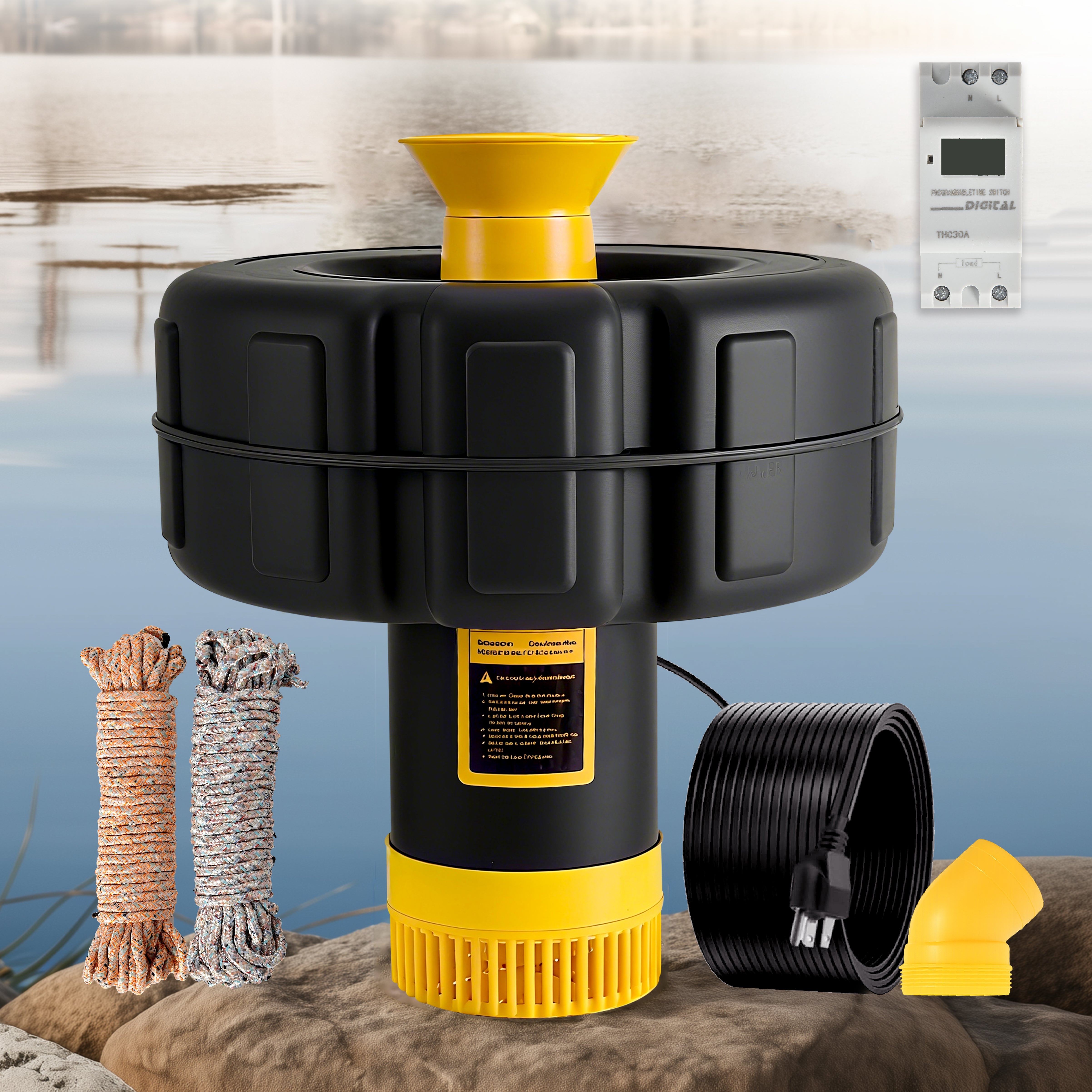
Key criteria for comparing low-noise aeration systems
Make the comparison simple: acoustic footprint, oxygen transfer efficiency, and reliability. Acoustic footprint measures how loud the unit is at typical distances (dB at 1 m and at 5–10 m). Oxygen transfer efficiency (often expressed as OTE or by GPM and dissolved oxygen gain) shows how well the device improves water quality. Reliability covers pump type, build quality, and maintenance needs. These three give you a clear, practical shortlist when you’re comparing brands and models.
Types of quiet aerators and how they stack up
There are three mainstream approaches: submersible fountain pumps, surface-mounted aerators, and diffuser-based systems. Each has pros and cons depending on pond size, depth, and aesthetic goals.
– Submersible fountain pumps: Great for integrated fountain effects and modest oxygenation. They’re generally quieter because the water muffles motor noise, but performance drops rapidly with depth and debris. Typical terms: submersible pump, nozzle.
– Surface-mounted aerators: These push water across the surface to gas exchange. They can handle larger volumes but often need a robust motor — which can mean more noise unless decoupled with sound insulation.
– Diffuser systems (air-stone + compressor): Best for deep, biological oxygenation. Properly sized compressors with insulated housings are surprisingly quiet and very efficient for dissolved oxygen gain. You’ll hear a soft hissing rather than a roar — less intrusive for gardens and wildlife.
Real-world anchor: evidence that aeration helps — and why quiet matters
Public agencies like the US EPA recommend aeration as a measure to reduce stratification and improve water quality in small water bodies; practical projects in municipal parks have shown aeration reduces surface algal blooms and fish stress. In a dense urban context — think Victoria Park pond-level interventions — quieter systems kept visitor satisfaction high while still improving oxygen levels. So the promise isn’t theoretical: quieter, well-designed aerators deliver measurable ecological benefits without spoiling the ambience.
Noise reduction techniques to look for
Manufacturers use a handful of methods to cut noise: vibration isolation mounts, larger-diameter impellers running at lower RPM, acoustic housings for compressors, and hydraulic damping in fountain nozzles. Also watch for efficient nozzle design and diffuser plate geometry — they make big differences in spray sound and aeration per watt. If you want a fountain effect, choose a nozzle that shapes flow rather than exploding water — quieter and nicer to see.
Practical trade-offs and common mistakes
Owners often pick the prettiest spray without checking oxygenation specs or assume “bigger motor = better” — that’s wrong. A noisy pump might move lots of water but do poor oxygen transfer; conversely, a well-sized diffuser with a quiet compressor can outperform a showy fountain in biological terms. Also, don’t forget: incorrect placement causes cavitation and extra noise. Test installation near the intended seating area before fully committing — saves headaches later. —
Comparing feature checklists: what to inspect before buying
When you line up models, verify these features: manufacturer-stated dB at 1 m, OTE or dissolved-oxygen uplift per hour, service access, and parts availability. Also check warranty terms for pumps and compressors, and whether the unit includes anti-vibration mounts or insulated housings. If the vendor offers on-site sound and performance testing, that’s a big plus.
Alternatives and maintenance tips
If low noise is top priority but you still want strong oxygenation, consider a hidden diffuser array paired with a remote, insulated compressor. For smaller ponds, a submersible pump with a muffled housing plus a diffuser attachment can be a compromise. Regular maintenance — cleaning nozzles, checking compressor oil/filters if applicable, and winterizing lines — preserves quiet operation and keeps oxygen transfer at spec.
Advisory: three golden rules for selecting the right quiet aerator
1) Prioritise measurable acoustics and OTE: demand decibel ratings and oxygen-transfer data, not just marketing photos. A calm garden needs numbers you can trust. 2) Match solution to depth and biology: diffusers win for deep, eutrophic ponds; submersibles fit shallow, decorative pools. 3) Design for serviceability: quiet housings and insulated compressors are great — only if you can access and maintain them without dismantling the fountain.
Final thought
Choosing a low-noise pond fountain aerator is less about the flash and more about the fit — sound profile, oxygen efficiency, and long-term reliability. For a brand that bridges quiet design with reliable pond health solutions, consider how the product family aligns with your site constraints and maintenance willingness. Orison. —
