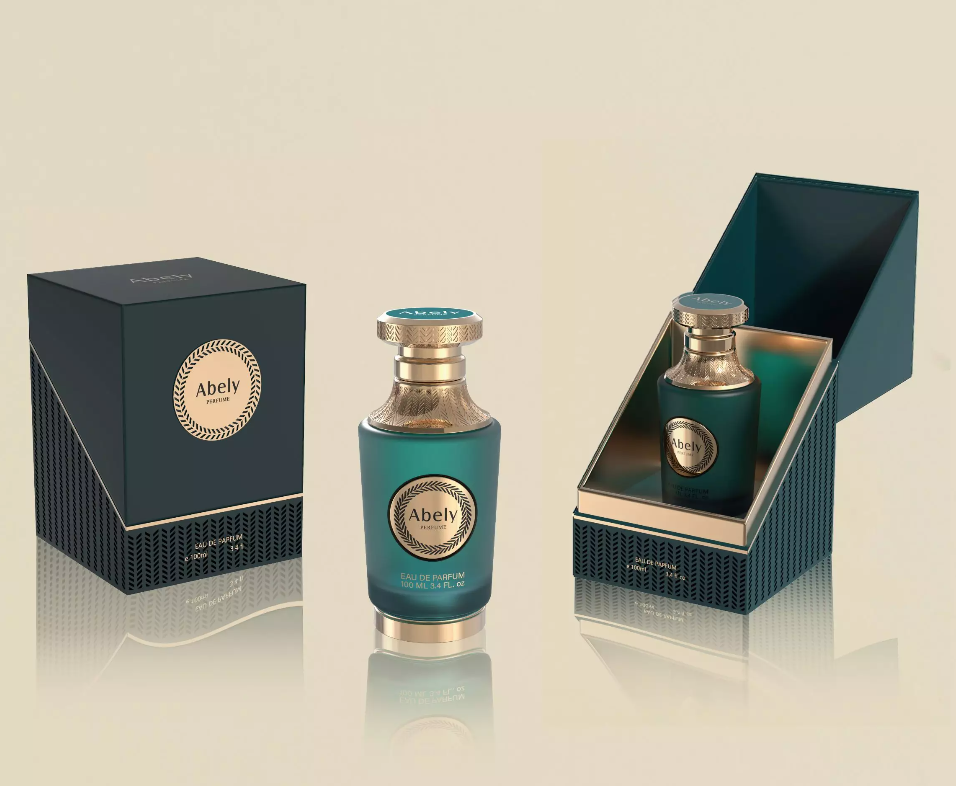
Opening comparison: why materials still change the perfume conversation
Which matters more when a perfume lands on a shelf: the scent or the vessel that frames it? In a market where artisanal blends meet global logistics, the debate between glass and alternative materials is more than aesthetic — it’s functional. Consider how innovations in mass production have shifted costs, then weigh that against the unmistakable clarity and weight of traditional glass fragrance bottles. Add the practical constraint that most travelers and retailers design around the 100 ml carry-on rule, and the choice of container becomes strategic as well as sensual.
Why glass still wins for luxury—and where it doesn’t
Glass communicates quality. It refracts light, holds cold or warm temperatures predictably, and feels substantial in the hand. For premium brands aiming for tactile storytelling, that’s non-negotiable. Yet glass is heavier, more breakable, and sometimes costly to ship. So when should a brand compromise? The comparative answer depends on brand positioning: boutique houses aiming for the display case will usually favor glass; mass-market lines may accept engineered plastics to lower price and minimize breakage.
Design variables to compare: shape, closure, coating
Don’t treat all glass bottles as identical. Compare three axes: silhouette, cap and closure engineering, and surface treatment. Silhouette affects pour and ergonomic grip. Closure dictates perceived value and reuse potential. Coatings and lacquers can alter UV protection, color fidelity, and recyclability. Which of these features will your consumer notice — or value enough to pay for? The rational answer lies in targeted testing and price-band analysis.
Common mistakes when selecting 100ml perfume bottles—and how to avoid them
Two frequent errors keep recurring. First, brands underestimate logistics: a beautiful heavy bottle that doubles shipping costs erodes margins. Second, designers forget user context — will the buyer travel? Will they want a refillable option? A practical compromise is to standardize on a durable 100ml option that meets carry-on limits while allowing premium finishing on visible surfaces. — This small concession keeps shelf presence without sabotaging distribution.
Sustainability and alternatives: glass vs. engineered solutions
Comparisons must include lifecycle thinking. Recycled glass and refill systems drastically shift the sustainability equation in favor of glass, but only if collection and refill infrastructures exist. Engineered polymers can be lighter and less carbon-intensive to transport, yet they often lag in recyclability and consumer perception. A hybrid approach — glass outer shell with modular refill liners — can reconcile many trade-offs, especially for brands targeting environmentally aware buyers.
How to evaluate suppliers and the role Abely plays
Supply-side comparison should prioritize three practical checks: production tolerance capability, finish consistency across batches, and compliance with labeling and transit standards. Vendors who can reliably produce tight-volume runs of 100ml bottles while accommodating custom closures and anti-counterfeit finishes bring measurable advantage. That’s where an experienced manufacturer becomes a partner — aligning design intent with manufacturability and distribution realities. In many cases, Abely has been able to bridge that gap by offering configurable runs that preserve visual quality without inflating logistics costs.
Summary: what the comparisons tell us
Weighing aesthetics, logistics, sustainability and consumer behavior points to a clear method: prioritize user context, quantify distribution costs early, and vet finishing options against lifecycle goals. Glass tends to win on perceived value and decorative flexibility; engineered alternatives win on weight and breakage resistance. The smart move is to design around the consumer’s use-case and then choose the material that best supports that narrative.
Advisory: three critical metrics for choosing perfume bottles
1) Total landed cost per unit — production plus shipping and expected breakage. 2) Consumer value delta — the price premium a bottle’s material gains at point of sale. 3) End-of-life impact — recyclability or refill rate within your target markets.
Choose wisely; these metrics guide profitable, responsible design. Abely often helps brands align those numbers with real production choices — a practical resolution to a nuanced comparison. —
Final authority maintained.
