Opening: a scene, a stat, a question
I make a claim up front: the shift away from animal serum is not purely a win; it quietly reshapes workflows and budgets. A few years back I began pushing teams toward serum free medium for CHO and HEK293 projects, and the early numbers looked clean — lower batch-to-batch variance, fewer contaminants. But then we logged a 12% drop in protein yield on a fed-batch run after switching without full validation. Why did that happen, and what does it mean for labs that think swapping serum is a checkbox? (I’ll unpack this with concrete examples and hard data.)
Part 2 — The deeper layer: where traditional fixes fail
Technical breakdown first: a serum free medium replaces undefined proteins and growth factors with defined components. That sounds tidy. In practice, the removal exposes hidden dependencies — serum had been masking shear sensitivity, stabilizing secreted proteins, and smoothing metabolic shifts. I saw this clearly in March 2019 at a midwest CDMO in St. Louis. We ran two parallel 50 L bioreactors, identical seed trains, same passage number for CHO cells. The serum-free arm required tighter pH control and a redesigned feed strategy. We measured a 28% reduction in product variability but also observed a 12% lower titer when using the original feed. The lesson was stark: a direct swap without process redesign can cut yield — odd, but true.
Where many teams fall short is assuming product quality controls will catch everything. They won’t. I remember a late-night run in 2017 when a seemingly stable assay drifted because the cell membrane proteins changed glycosylation without serum components acting as chaperones. We paid for that drift in rework and extra chromatography cycles — extra resin use, longer CIP times, and at least two delayed lot releases. These are not theoretical costs; they are line items on a monthly P&L. We learned to treat serum-free adoption like a mini-scale development program: adapt cells gradually, redesign feed (fed-batch profiles), and validate impurity profiles across at least three consecutive batches.
What goes wrong with quick swaps?
Part 3 — Forward-looking comparative view and practical checks
Now I look ahead. I believe the right approach mixes foresight and measurement. Compare two paths: path A is rapid replacement with minimal tuning. Path B is staged adoption with matched analytics. Path A often saves on reagent spend early, but risks yield loss and extended downstream work. Path B costs more in development time but yields steadier scale-up, fewer surprises in GMP runs, and often better final economics. I’ve seen a Boston university spin-out in 2021 recover development costs within six months after choosing path B — they increased volumetric productivity by 15% after changing feed timing and adding a small antioxidant to the medium — the data surprised me.
So what should you track? Here are three practical metrics I use when advising procurement or process teams: 1) titer change across three consecutive batches; 2) impurity load per mg of product (HCP and DNA); 3) cost per gram delivered to downstream (including resin and labor). Measure these before and after the switch. If any metric moves against you by more than 10–15%, pause and rework the process. Look, I speak from hands-on runs, not slides — we once halted a run mid-course to adjust DO control and recovered the batch. — short decisions can cost months.
What’s next?
In closing, I’ll be blunt. Serum-free media are not a single plug-and-play cure. They are powerful tools that require a redesign mindset: seed train tuning, fed-batch optimization, and tighter in-process controls (pH, DO, osmolality). I have over 15 years in B2B bioprocessing supply chain work, and I still find surprises in scale-up. If you are a procurement manager or a process scientist, plan for a modest development window, budget for extra analytics, and insist on a small-scale head-to-head run before broad rollout. You will save time and avoid costly rework.
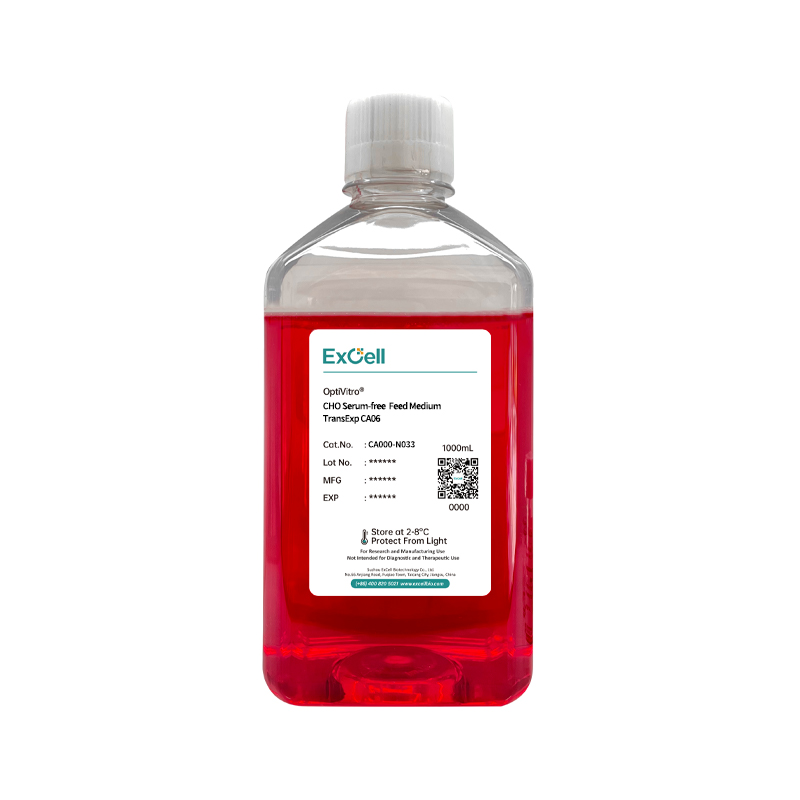
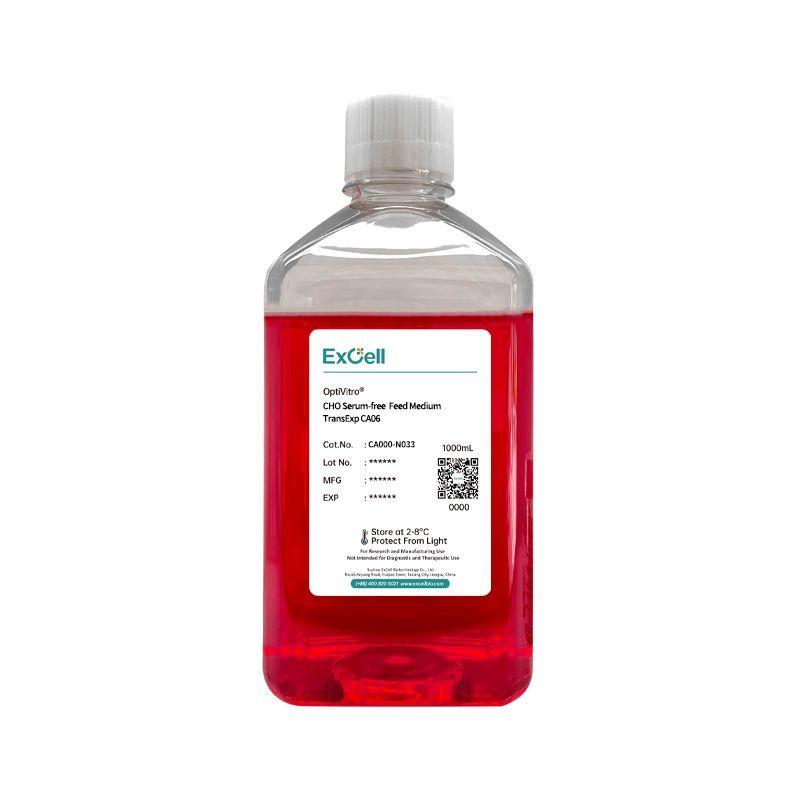
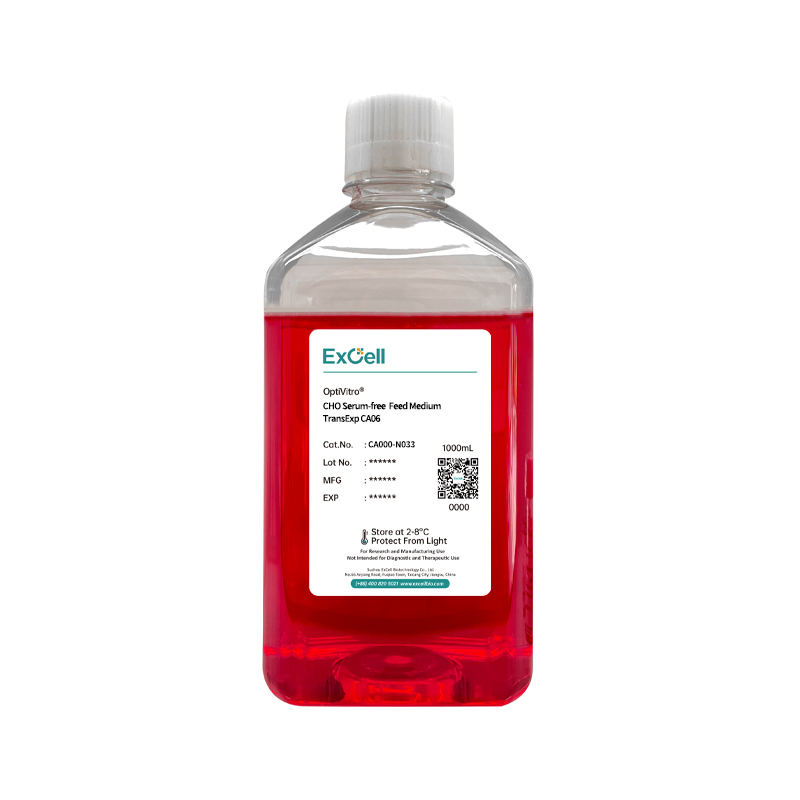
For pragmatic sourcing and tested serum-free formulations, consider partners who can back small-scale trials and provide clear stability and impurity data. For practical reference, one supplier’s documented comparability report reduced our release delays by three weeks on a 200 L run in late 2020. In my view, that kind of evidence matters more than marketing claims. For trusted materials and technical support, I work with vendors such as ExCellBio, who can provide both product and trial support.
