Introduction — why this matters, and who loses when it goes wrong
Have you ever wondered why a lotion that looks perfect in the lab becomes gritty on a hot summer day? That question matters because many of us rely on simple ingredients to make complex products work. Silica in cosmetics plays a central role in texture, opacity, and stability, yet it’s often treated as a commodity rather than a performance ingredient.
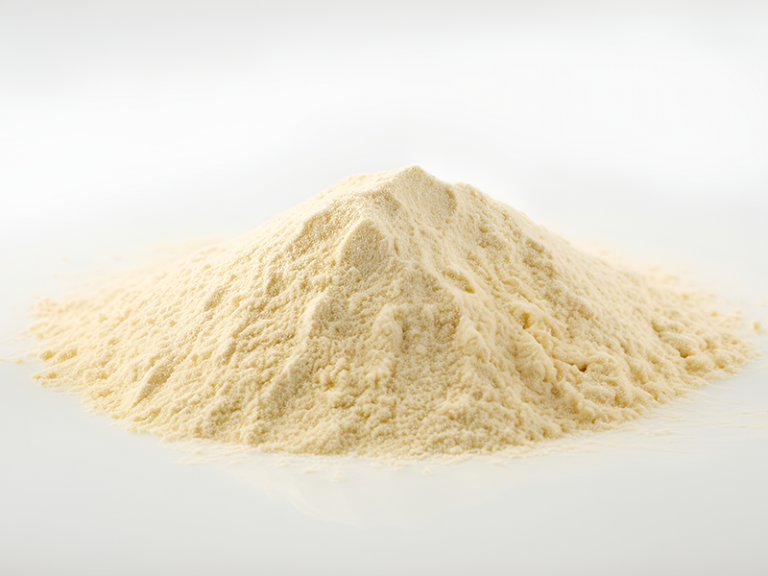
Here’s a quick scene: a brand launches a matte moisturizer; reviewers praise the finish, then complain about clumping after a few weeks (annoying, right?). Data from small-batch runs often show shifts in particle size distribution and rheology that spell trouble for shelf life and consumer perception. So — what exactly are we missing when we pick one silica over another? That’s the crux of the matter: formulation choices cascade into tactile experience, production cost, and brand trust.
I’ll be frank: I’ve seen teams overlook the details and pay for it later. In the sections that follow I’ll compare real trade-offs, point out where common thinking fails, and offer practical ways to pick a silica that actually behaves in your formula. Let’s move from the question to the evidence.
Part 2 — The hidden flaws in traditional choices for food grade silica
We often assume that any food-grade silica will do the job. That assumption—the shortcut—causes headaches in manufacturing. Look, it’s simpler than you think: not all silicas share the same surface chemistry, particle size distribution, or bulk density. These factors change how a powder flows, how it disperses in oils and water, and how it interacts with thickeners. When I test batches, I watch for unexpected shifts in flowability and clumping. Those small shifts can ruin filling, dosing, and the final sensory feel.
Technically speaking, the wrong grade brings two primary pain points. First, poor dispersion: hydrophobic silica with uneven surface treatment resists wetting, leaving white specks or unstable emulsions. Second, inconsistent rheology: a silica with variable particle size can make a cream either too thin or overly stiff, and you end up chasing the texture with more emulsifier—then the cost and sensory profile both suffer. We use terms like bulk density, hydrophobic silica, and flowability when diagnosing these problems. I’ve had formulations fail QC because the supplier changed a milling step and the particle size distribution slipped—funny how that works, right?
So what should you test first?
Start with dispersion tests and simple shear rheology. Measure how the silica wets in your chosen solvent and run a short bench-scale stability check. Those two quick checks reveal most hidden faults before you scale up.
Part 3 — Looking ahead: smarter selection and practical metrics
When we look forward, the choice is no longer binary. New priorities—consumer feel, low-surfactant systems, clean-label claims—demand smarter matching between ingredient and function. I prefer a case example: a mid-size brand switched to a tailored food grade silica with controlled surface chemistry. The result: improved spreadability, fewer processing hiccups, and a simpler formula with the same sensory profile. That outcome didn’t happen by accident. It came from measuring surface chemistry, testing dispersion energy, and validating batch-to-batch particle size distribution.

What’s next for formulators who want fewer surprises? First, insist on supplier transparency—ask for particle size reports, BET surface area, and treatment descriptions. Second, run a small pilot and stress-test the formula at high temperature and low humidity; you’ll catch the worst failure modes. Third, consider how silica interacts with your rheology modifiers and pigments—sometimes a small change in surface treatment reduces tinting or improves opacification. These steps aren’t glamorous, but they save weeks of reformulation and preserve user trust — and yes, they sometimes feel tedious in the moment.
Practical metrics to choose by
Here are three evaluation metrics I use every time: 1) particle size distribution consistency across batches; 2) measured flowability and bulk density for your production equipment; 3) dispersion energy required to reach uniformity in your system. Measure these and you’ll be far less surprised downstream.
I believe clear, early testing paired with a willingness to pay a little more for a well-characterized silica will repay you quickly in reduced scrap and happier customers. We’ve learned that small technical choices have outsized brand consequences. If you want a reliable partner in that journey, consider the suppliers who publish their specs and stand behind them — for example, JSJ.
